Smart table arrangement isn’t just about fitting people into a room. It’s about guiding movement, encouraging interaction, and making every guest feel comfortable. Here’s how to design a layout that maximizes both space and flow without sacrificing style or functionality.
Every layout decision should tie back to the event’s goal. A networking mixer requires a completely different setup than a formal gala or a conference event
Consider these questions:
For example, a corporate networking event benefits from smaller cocktail tables that encourage mingling, while a banquet-style dinner calls for larger round tables that support group conversation.
Clarity on purpose ensures that your layout supports the experience instead of working against it.
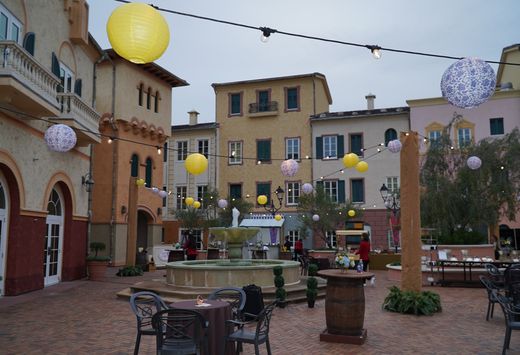
Before choosing table styles or arrangements, evaluate the venue itself.
A common mistake is placing tables first and figuring out walkways later. Reverse that thinking. Establish natural pathways first, then fill in seating.
Guests should be able to move effortlessly without crossing through crowded zones or disrupting seated groups.
Table shape directly affects how people interact and how efficiently space is used.
A mix of table types often delivers the best results, especially for events that combine dining and mingling.
Flow is the invisible force that determines how comfortable your event feels. Poor flow leads to congestion, confusion, and frustration.
A good rule of thumb:
Guests should never feel like they’re squeezing past chairs or interrupting conversations just to move around.
Avoid Overcrowding at All Costs
Trying to maximize capacity often leads to overcrowding, which negatively impacts both comfort and safety.
Signs of overcrowding:
Put these ideas to work. Tell us about your event and we will send a free creative proposal.