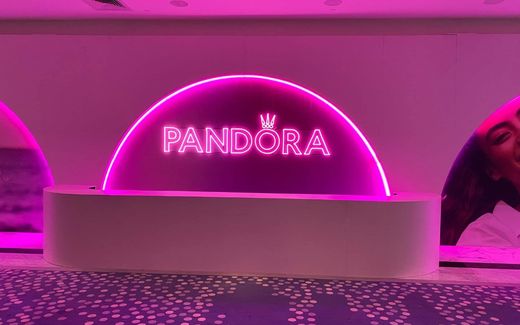
Well-designed signage turns confusion into clarity and transforms a standard setup into a polished, memorable experience.
Every successful event, whether a corporate conference, trade show, product launch, or brand activation, relies on clear communication. Event signage is one of the most effective tools to achieve that without overwhelming guests or requiring constant staff intervention.
This article breaks down what event signage is, the different types you should know, and why it plays a critical role in delivering a seamless guest experience.
Event signage refers to any visual display used at an event to communicate information, provide direction, or reinforce branding. It includes everything from welcome boards at the entrance to directional arrows, digital screens, safety notices, and promotional banners.
Signage acts as a silent host. It answers questions before they’re asked and reduces friction as guests navigate the space. Instead of relying on staff to guide every interaction, signage ensures attendees can move confidently and independently.
A well-executed signage strategy feels intuitive. Guests rarely notice it when it’s done right, yet they immediately feel its absence when it’s not.
Understanding the different types of signage helps you plan strategically rather than treating it as an afterthought.
Directional signage helps guests find their way. It includes arrows, maps, and location markers that guide attendees to key areas such as registration desks, restrooms, breakout rooms, or exits.
Large venues especially depend on clear wayfinding. Without it, guests waste time, feel frustrated, and may even miss important sessions or activities.
Good directional signage is:
Informational signage provides details guests need during the event. This can include schedules, session descriptions, speaker information, or instructions.
Clarity matters here. Guests should be able to scan and understand the message within seconds. Overloading signage with too much text defeats its purpose.
Examples include:
Branding signage reinforces the identity of the event or the company behind it. It creates a cohesive visual experience and ensures guests remember who hosted the event.
Strong branding signage doesn’t just look good, it creates consistency across touchpoints, making the event feel intentional and professional.
Promotional signage is designed to highlight products, services, or specific campaigns. It’s commonly used in trade shows, product launches, and exhibitions.
This type of signage aims to:
Examples include product displays, offer boards, and interactive digital screens.
Safety signage ensures guests are aware of important guidelines and emergency procedures. It’s often required, but it also plays a role in making attendees feel secure.
Clear safety signage reduces risk and helps events run smoothly even in unexpected situations.
Event signage isn’t just functional, it directly shapes how guests perceive and interact with your event. Here’s why it matters.
Nothing disrupts an event faster than confusion. Guests who don’t know where to go or what to do quickly become frustrated.
Signage provides clarity at every step:
Put these ideas to work. Tell us about your event and we will send a free creative proposal.